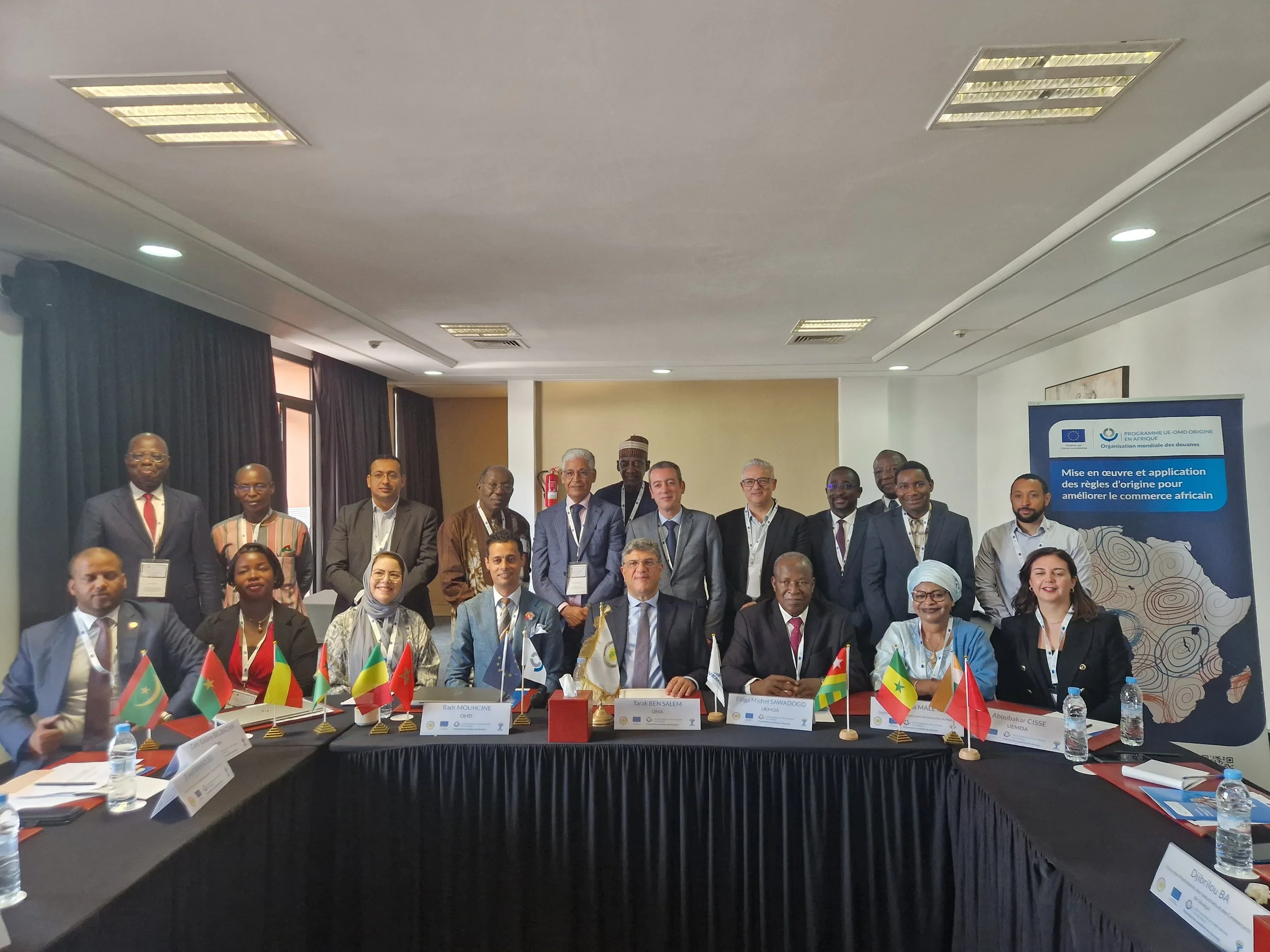
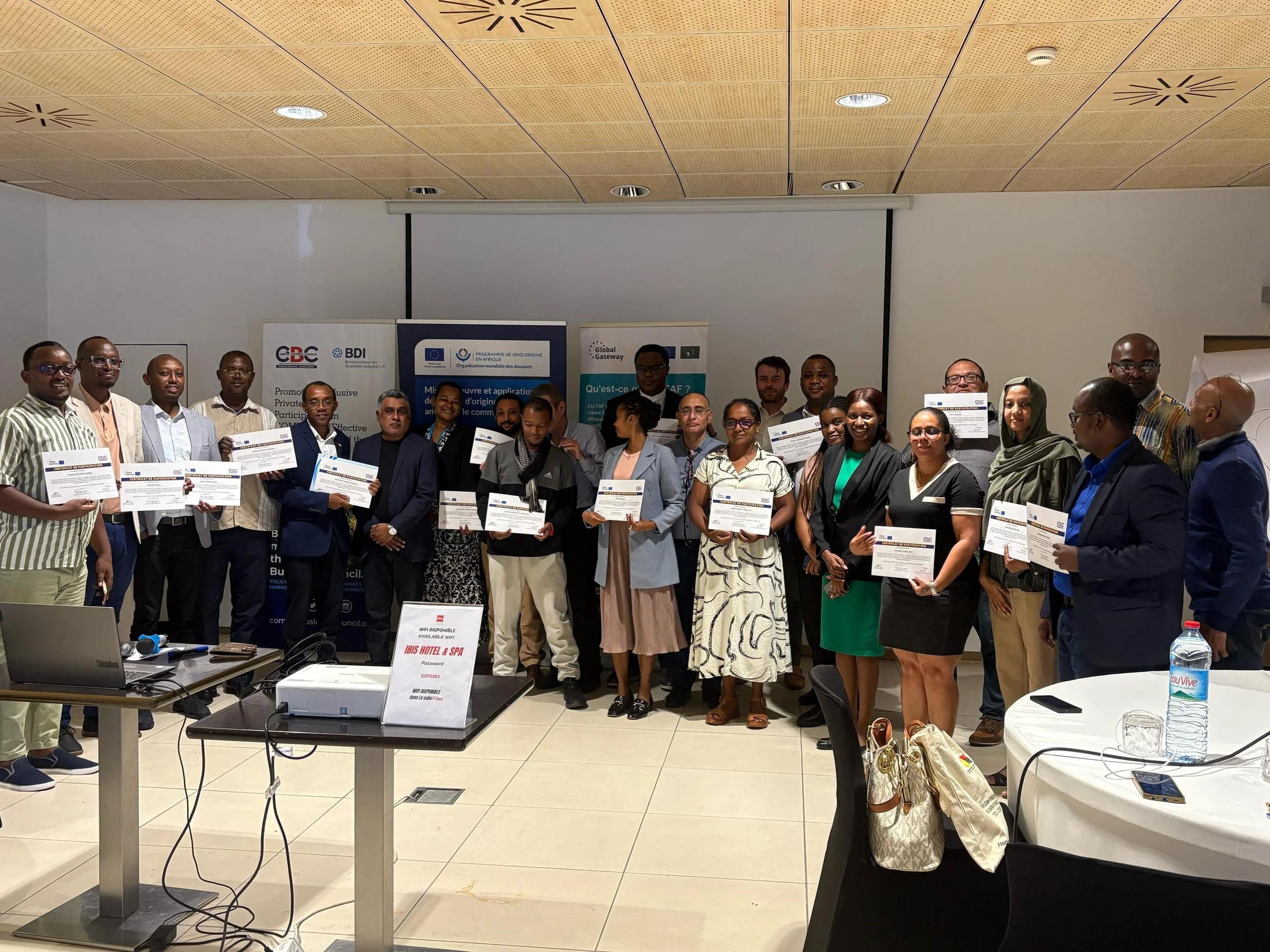
COMESA Private Sector AfCFTA Rules of Origin Sensitisation
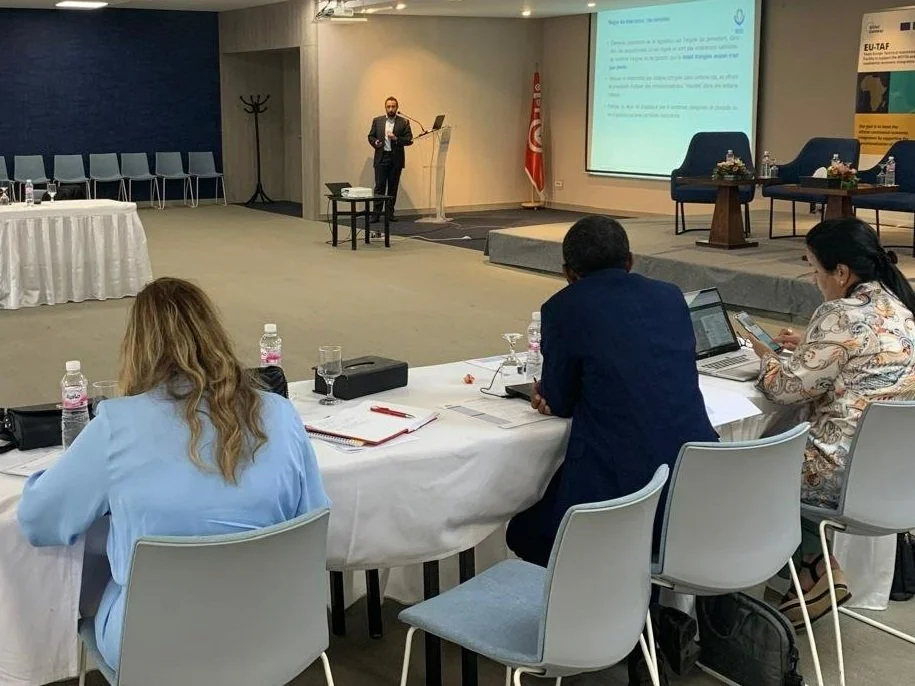
The EU-WCO Rules of Origin Africa Programme supported the AfCFTA rules of origin sensitisation for private sector engagement across francophone Africa.
"Africa is our valued partner, and Tunisia's strategic geographical location positions it as the main gateway to this continent," states Lazhar Bennour, Director General of Economic and Commercial Cooperation at Tunisia's Ministry of Commerce and representative of the national AfCFTA committee. This positioning is crucial, especially as the sensitisation of AfCFTA rules of origin for private sector development gains importance across the continent.
Guillaume Gérout Suominen, rules of origin specialist for the EU-WCO Rules of Origin Africa Programme, explained the strategic decision-making process emerging from effective private sector sensitisation: "When a Tunisian company imports foreign inputs and transforms them locally, the choice of export market determines which trade agreement applies." This systematic approach to market selection, developed through targeted AfCFTA rules of origin sensitisation for private sector development, has already yielded tangible results, with Tunisian companies benefiting from customs duty elimination with partners like Mauritius since the country's adhesion to these agreements.
At the operational heart of these trade opportunities lies a critical tool that serves as a "preferential passport" for Tunisian SMEs following proper rules of origin sensitisation: the certificate of origin. Approximately 100 such certificates are currently issued to Tunisian exporting companies, primarily in industrial and agri-food sectors, demonstrating the practical application of complex trade legislation made accessible through AfCFTA rules of origin sensitisation for private sector engagement.
The certification systems reflect different approaches to trade facilitation that require comprehensive private sector sensitisation. COMESA requires formal certificates of origin, while the AfCFTA offers greater flexibility through both certificates of origin and self-certified declarations of origin. In Tunisia, chambers of commerce serve as primary certification bodies, creating crucial intermediaries between complex origin legislation and business implementation through ongoing AfCFTA rules of origin sensitisation for private sector development.
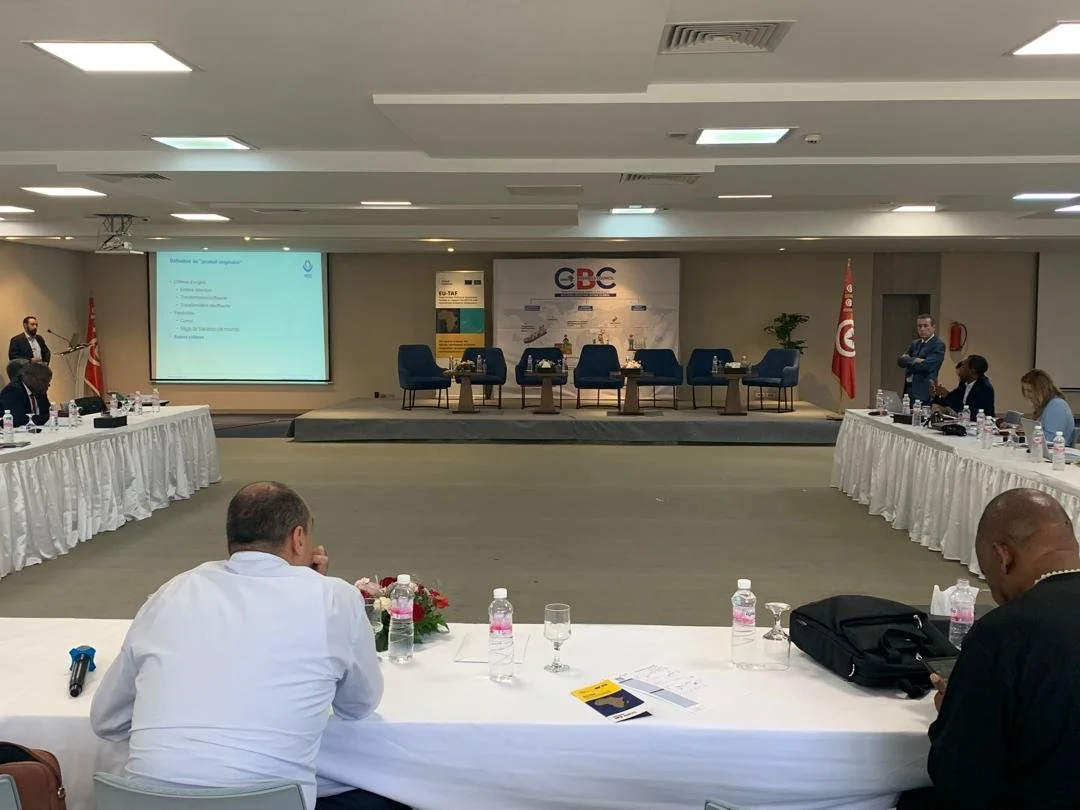
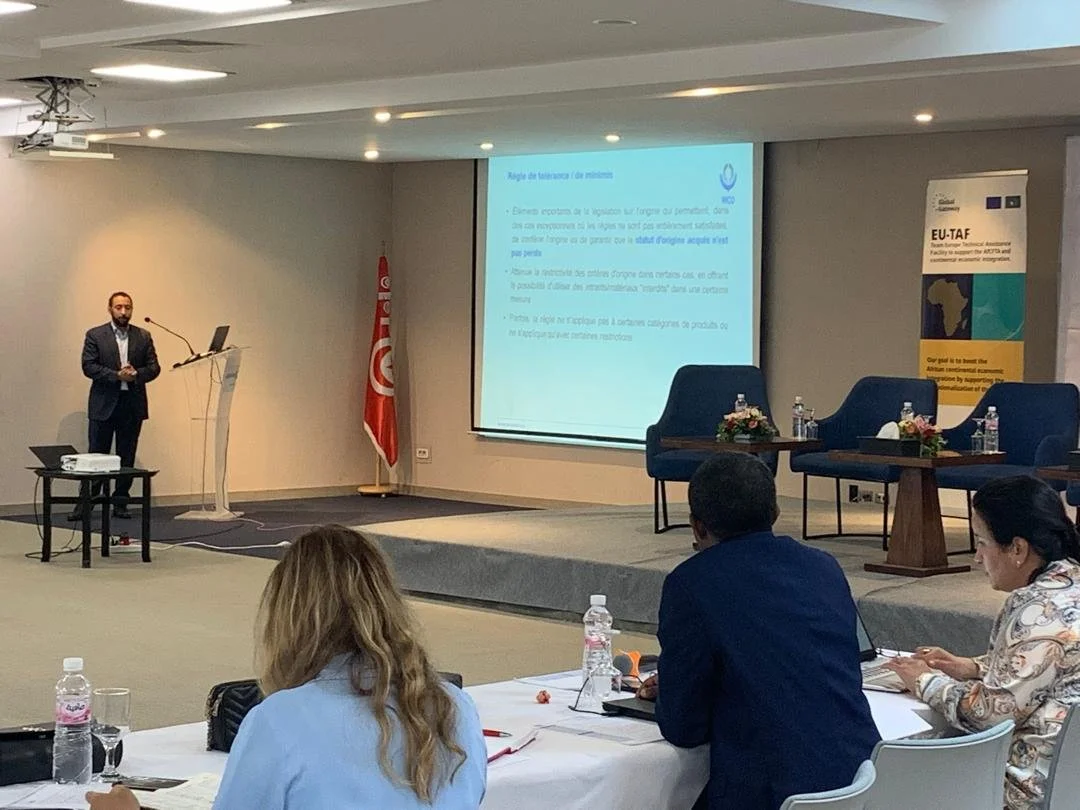
Tunisia's engagement with continental trade integration exemplifies the Programme's emphasis on sustained AfCFTA rules of origin sensitisation for private sector capacity building. Recent workshops organised through partnerships between the COMESA Business Council, EU Technical Assistance Facility, and the Tunisian Union of Industry, Commerce and Crafts have focused on translating AfCFTA advantages into actionable business strategies through comprehensive private sector sensitisation initiatives.
These initiatives address specific challenges chambers of commerce face in supporting their members through effective AfCFTA rules of origin sensitisation for private sector engagement, particularly small and medium enterprises seeking to leverage continental opportunities. The approach recognises that chambers maintain direct relationships with local enterprises and understand market dynamics at the grassroots level, making them ideal facilitators for translating trade opportunities into concrete business outcomes through targeted private sector sensitisation programmes.
Gallery

Read more stories featuring