Breaking Regional Barriers through Inter-REC Cooperation for AfCFTA Implementation Creates New Continental Trade Opportunities
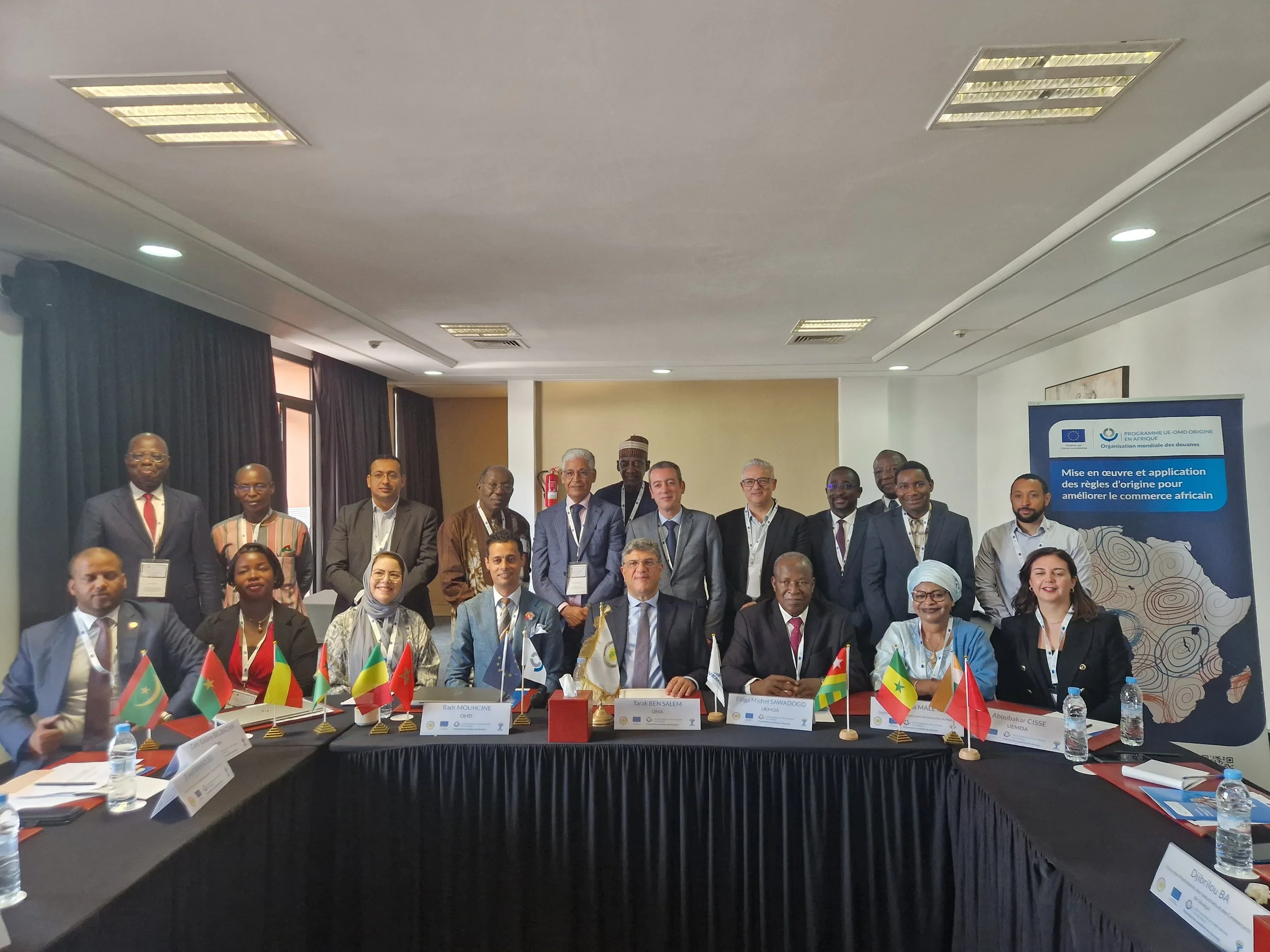
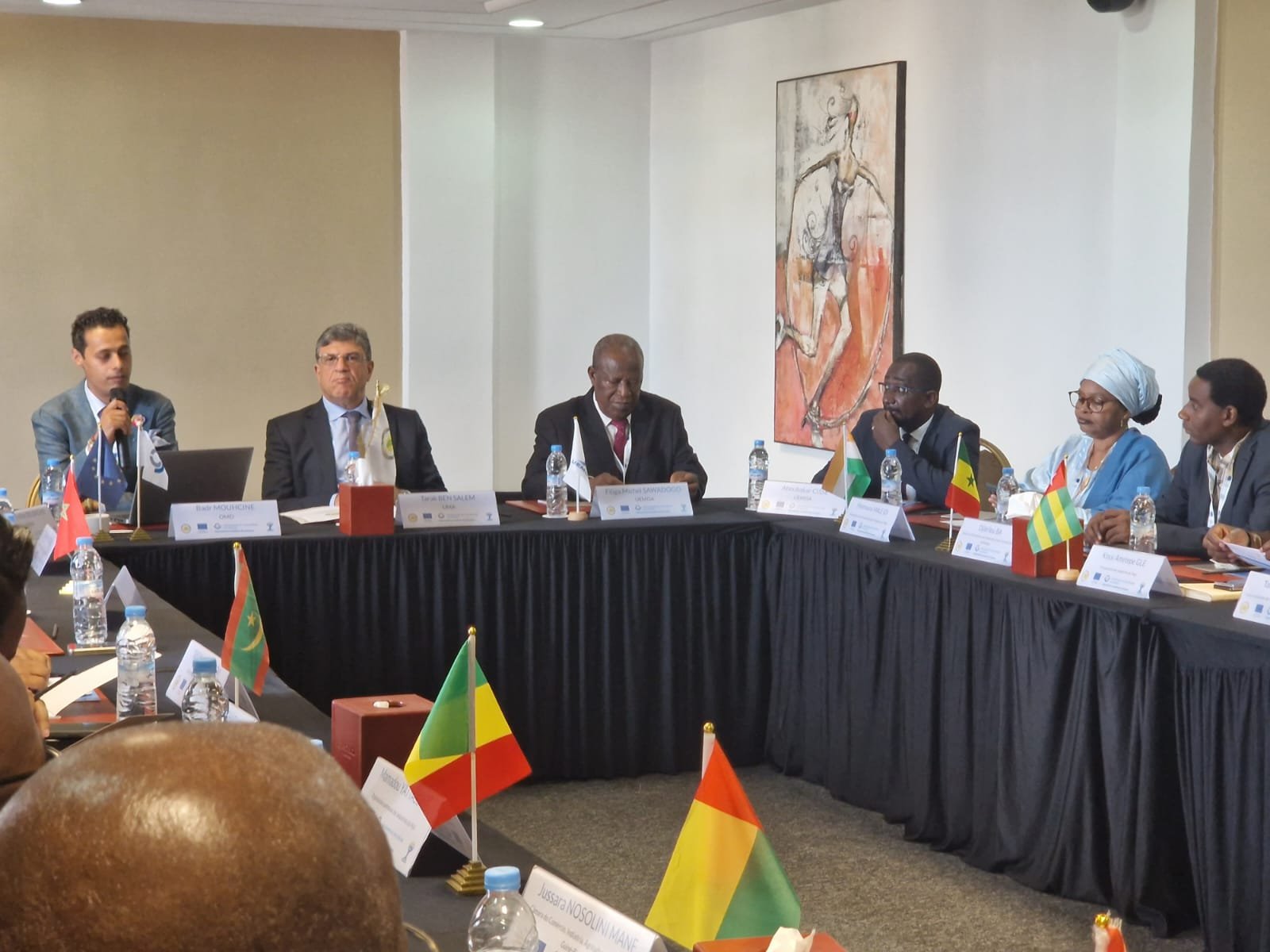
Opening of the inter-REC cooperation for AfCFTA implementation platform
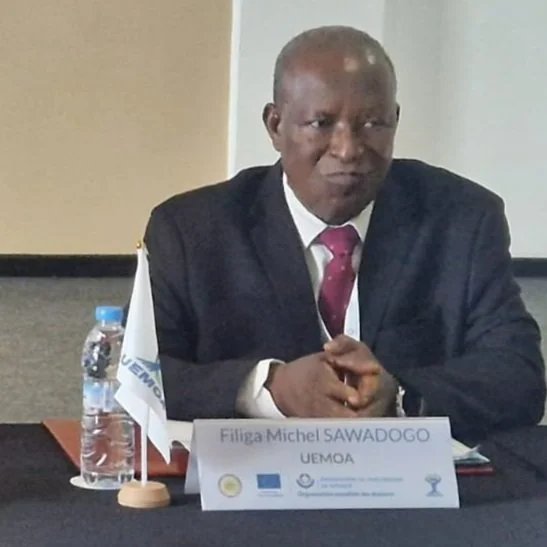
Commissioner Sawadogo during the workshop
« We express our complete satisfaction with the workshop’s success and our strong desire to enhance the productive collaboration between our two organisations. »
Summary
The recent Marrakech workshop represents a significant institutional step forward for North/West African inter-REC cooperation for African Continental Free Trade Area (AfCFTA) implementation, demonstrating how strategic partnerships between Regional Economic Communities (RECs) can unlock new pathways for continental trade integration. The collaboration between the Arab Maghreb Union (AMU) and the West African Economic and Monetary Union (WAEMU), supported by the EU-WCO Rules of Origin Africa Programme, showcases innovative approaches to overcoming traditional regional boundaries that have historically limited Africa's trade potential.
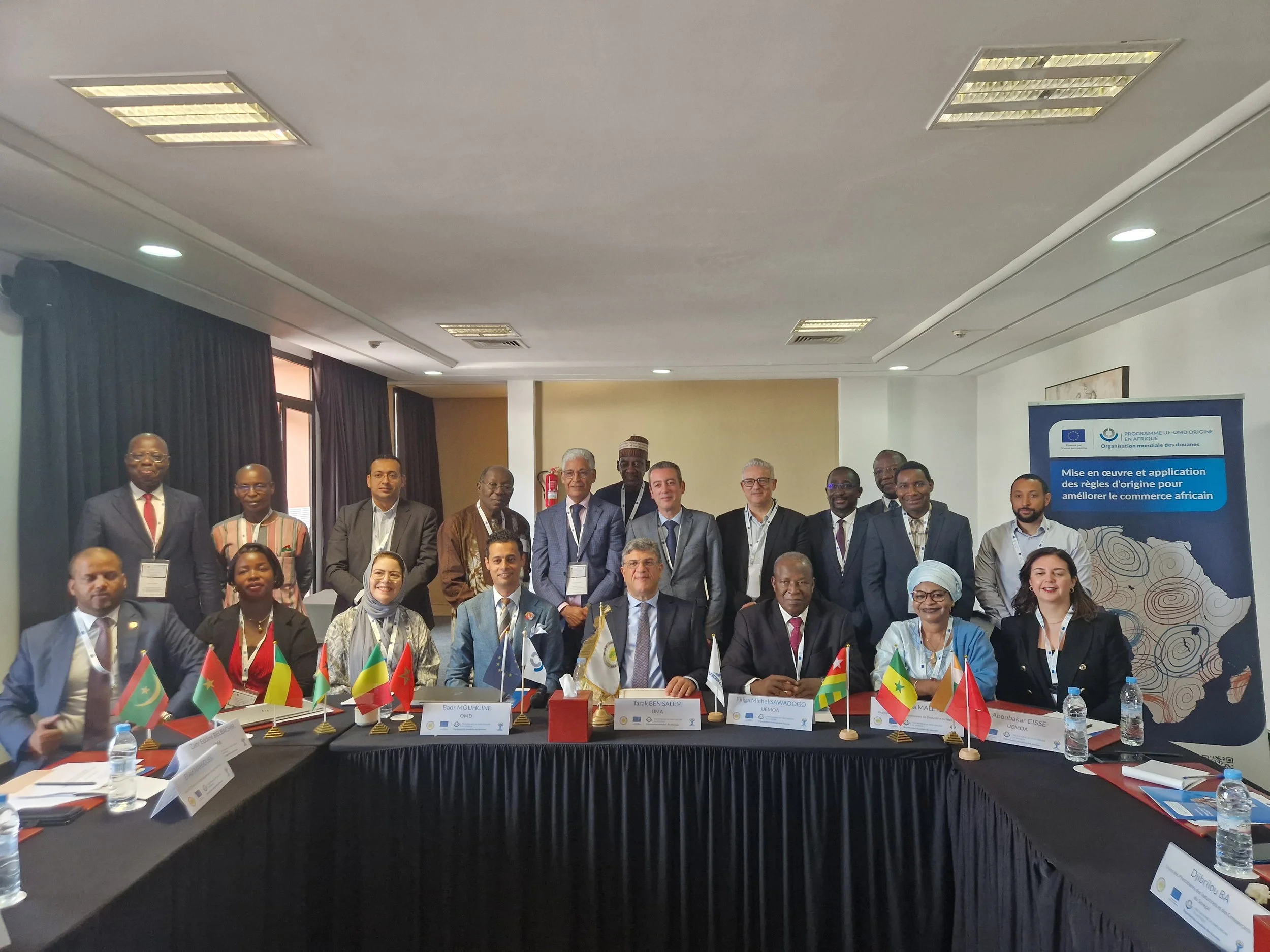
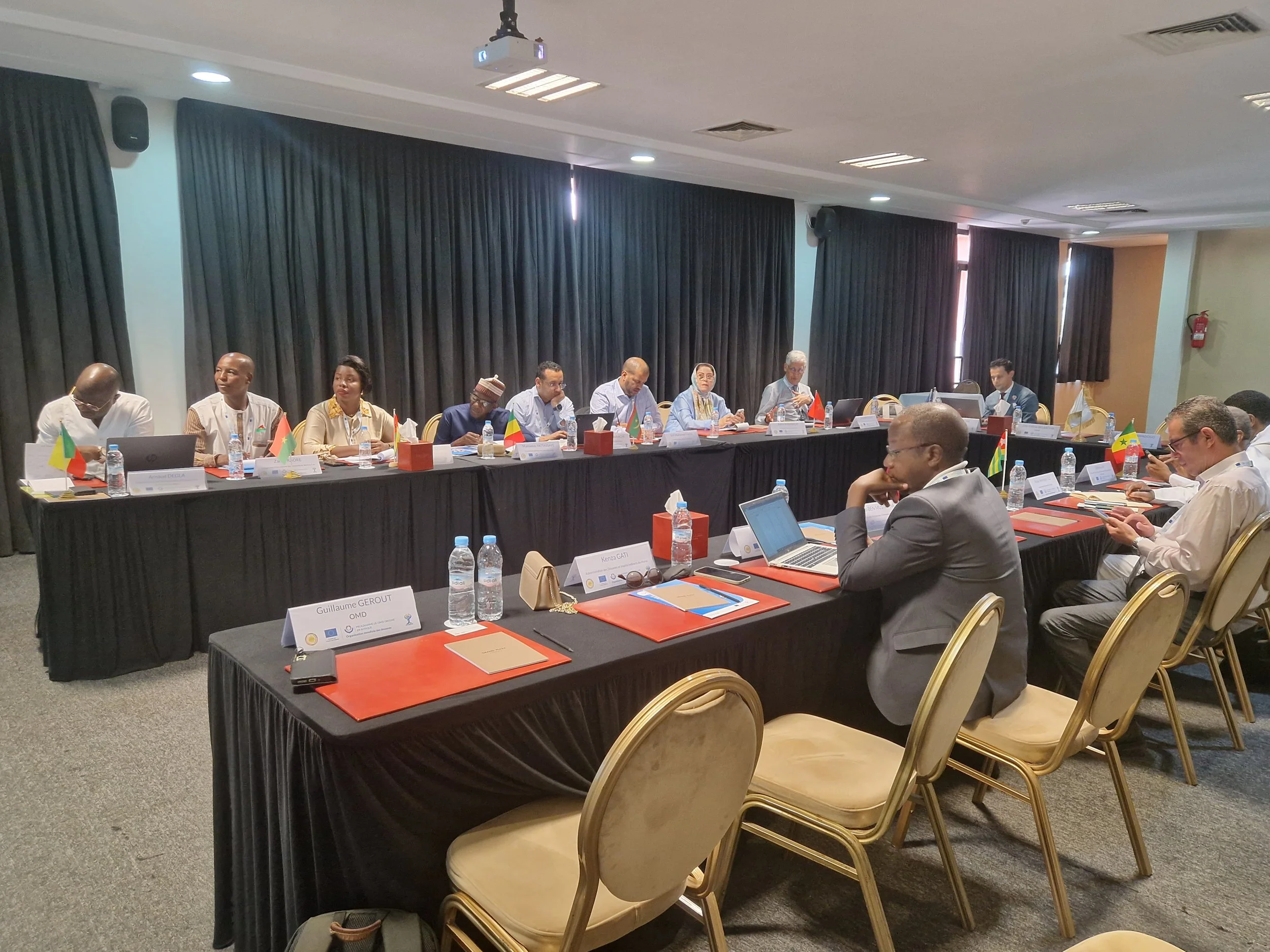
This initiative in inter-REC cooperation for AfCFTA implementation brought together business support organisations from AMU countries—Mauritania, Morocco, and Tunisia—with their counterparts from WAEMU nations, including Benin, Burkina Faso, Guinea-Bissau, Mali, Niger, Senegal, and Togo. The convergence, facilitated by both regional secretariats alongside Moroccan Customs and the Programme, created an unprecedented platform for dialogue that addresses critical implementation challenges facing continental integration.
His Excellency Tarak Ben Salem, Secretary General of the Arab Maghreb Union, presided over the workshop opening alongside Filiga Michel Sawadogo, WAEMU Commissioner for the Regional Market and Cooperation Department. Their joint leadership signals the high-level political commitment essential for effective inter-REC cooperation for AfCFTA implementation. It demonstrates recognition that continental integration requires coordinated action across multiple regional frameworks.
Addressing Continental Integration Challenges Through Strategic Regional Partnerships
As the AfCFTA undergoes its five-year review, the timing of this inter-REC cooperation for the AfCFTA implementation initiative proves particularly strategic. Current assessments indicate that preference utilisation remains stubbornly limited across the continent, with many businesses unable to access continental markets due to complex regulatory frameworks and insufficient cross-regional collaboration mechanisms.
The workshop directly addressed these challenges by exploring how enhanced inter-REC cooperation for AfCFTA implementation can stimulate trade beyond historical regional bloc constraints. Rather than viewing AMU and WAEMU as separate spheres operating under distinct trading arrangements, participants examined how coordinated approaches to rules of origin could create synergies benefiting businesses across both regions.
This shift from competition to collaboration reflects growing recognition that successful inter-REC cooperation for AfCFTA implementation depends on regional blocs complementing rather than competing. By pooling expertise and resources, the AMU-WAEMU partnership demonstrates how coordinated capacity building can address systemic barriers that prevent businesses from accessing cross-regional opportunities.
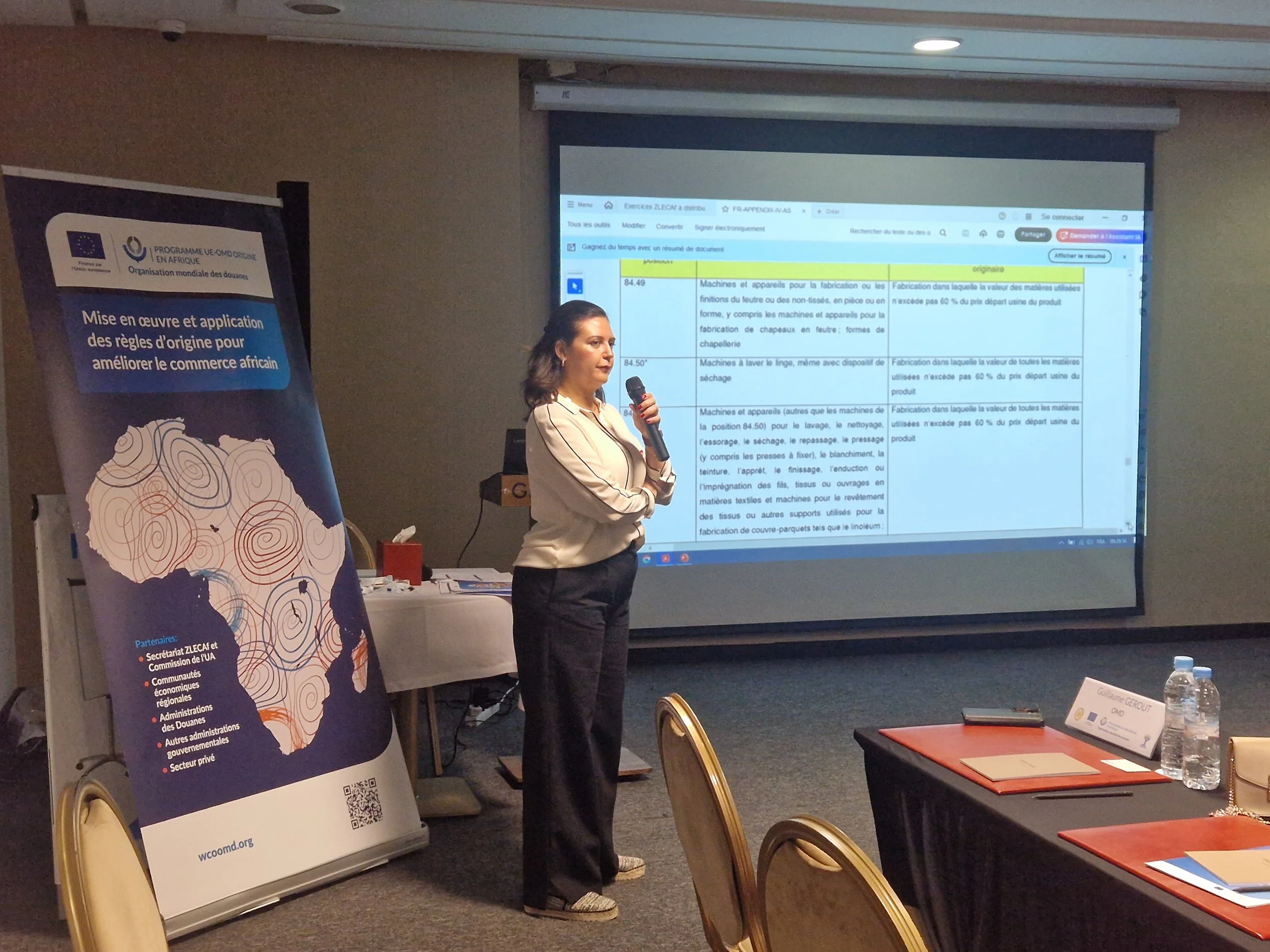
The focus on rules of origin training is especially relevant for inter-REC cooperation for AfCFTA implementation, given that complex origin requirements often prevent businesses from effectively utilising preferential arrangements. While the AfCFTA promises significant benefits, realising these outcomes requires businesses to navigate varying origin frameworks across different regional contexts.
Creating Practical Solutions Through Cross-Regional Business Support
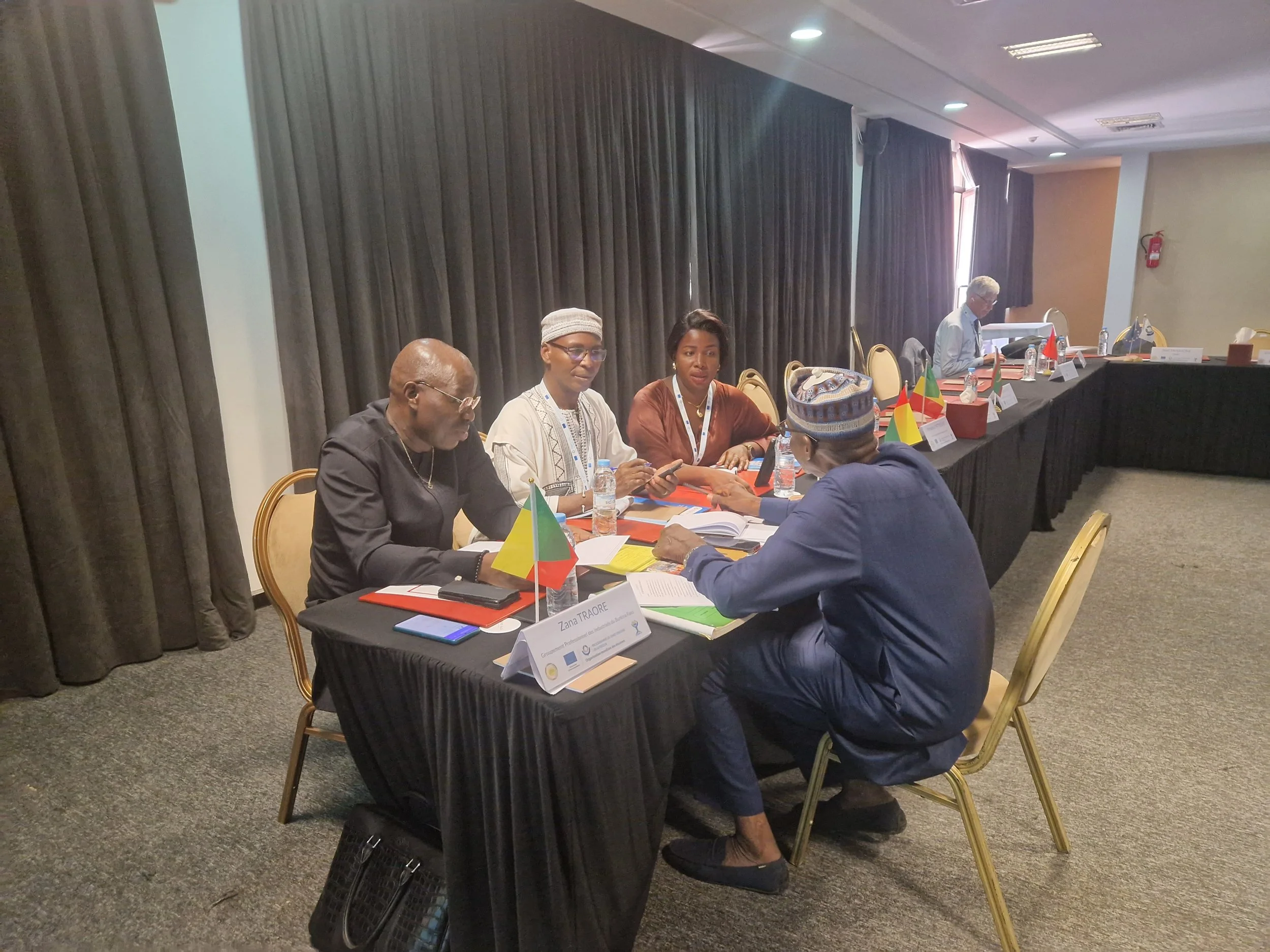
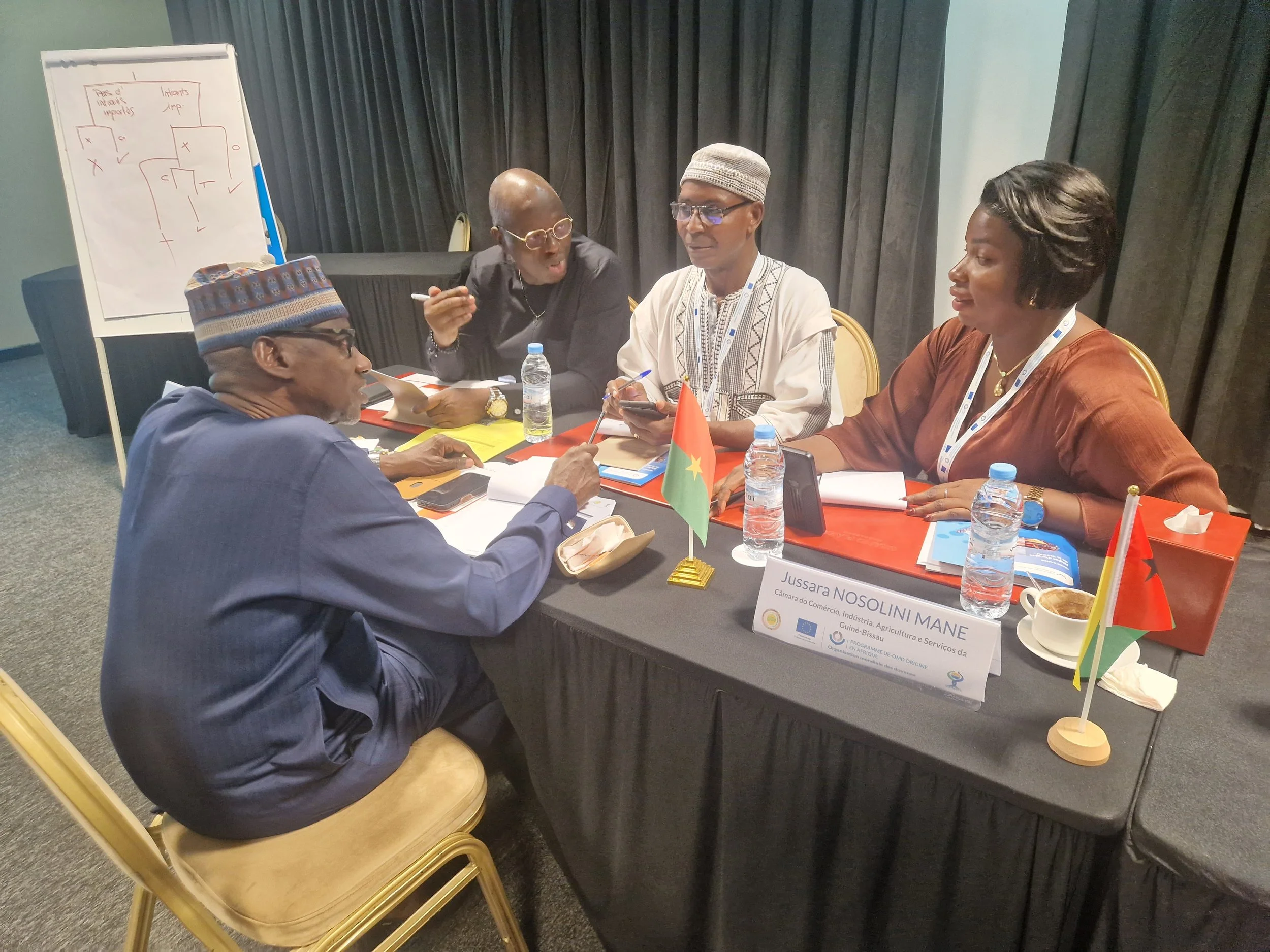
The technical knowledge shared during the workshop extends beyond theoretical frameworks to address practical challenges businesses encounter when accessing cross-regional markets through improved inter-REC cooperation for AfCFTA implementation. Participants engaged with real-world scenarios demonstrating how enhanced understanding of rules of origin requirements can translate into concrete commercial opportunities for enterprises seeking to expand beyond traditional regional markets.
Business support organisations from both regions identified common implementation challenges affecting their members' ability to utilise preferential trading arrangements effectively. These include limited awareness of available opportunities, complex compliance requirements, and insufficient technical support for navigating origin determination processes. Through enhanced inter-REC cooperation for AfCFTA implementation, these organisations can coordinate capacity-building programmes and technical assistance initiatives that address systemic barriers more effectively than isolated regional efforts.
The workshop also explored how digital platforms and information sharing mechanisms could enhance cross-regional trade facilitation through improved inter-REC cooperation for AfCFTA implementation. As businesses increasingly rely on technology to manage complex supply chains and compliance requirements, coordinated approaches between AMU and WAEMU could create integrated systems that simplify access to essential trade information and streamline procedural requirements.
Institutional Frameworks for Sustained Collaboration
Perhaps most significantly, the workshop concluded with pledges from the AMU Secretariat and WAEMU Commission to formalise their partnership through a memorandum of understanding. This institutional commitment moves inter-REC cooperation for AfCFTA implementation beyond rhetoric to create sustainable frameworks for ongoing collaboration that can evolve with changing continental integration needs.
The proposed memorandum represents recognition that effective inter-REC cooperation for AfCFTA implementation requires formal structures that can coordinate activities, share resources, and maintain momentum beyond individual project cycles. By establishing clear frameworks for ongoing collaboration, both organisations demonstrate understanding that continental integration benefits from sustained institutional partnerships rather than ad-hoc cooperative arrangements.
This formal cooperation agreement also creates opportunities for scaling successful inter-REC cooperation for AfCFTA implementation approaches to other regional combinations across the continent. As continental integration continues evolving, the AMU-WAEMU model could provide blueprints for similar partnerships between other regional blocs, creating networks of cooperation that strengthen overall AfCFTA outcomes.
Scaling Inter-Regional Partnerships Across the Continent
The Marrakech workshop's success in creating meaningful dialogue between traditionally separate regional frameworks demonstrates the transformative potential of strategic inter-REC cooperation for AfCFTA implementation. By focusing on practical cooperation between business support organisations rather than attempting comprehensive policy harmonisation, the initiative creates manageable pathways for enhanced cross-regional trade that can generate immediate benefits while laying the foundations for deeper integration.
As the EU-WCO Rules of Origin Africa Programme continues supporting similar initiatives across the continent, the AMU-WAEMU cooperation model offers valuable lessons for other regional combinations seeking to enhance their collective contribution to continental integration through improved inter-REC cooperation for AfCFTA implementation.
The pledge to formalise cooperation through institutional agreements signals that this initiative represents more than temporary project outcomes—it embodies a strategic shift toward viewing continental integration as a collaborative endeavour that succeeds when regional blocs work together. Through sustained commitment to cross-regional dialogue and practical cooperation, Africa's regional economic communities can transform from potential competitors into collaborative partners, driving continental trade transformation.
This innovative approach to inter-REC cooperation for AfCFTA implementation demonstrates that breaking regional silos requires both political commitment and practical mechanisms for ongoing collaboration. As other regional combinations across Africa observe the AMU-WAEMU model's development, the potential for scaling similar partnerships creates opportunities for continental integration that transcend traditional boundaries and unlock Africa's full trade potential.
In the media
Gallery

Read more stories featuring