Training on AfCFTA Rules of Origin for the French-speaking Private Sector of Eastern and Southern Africa
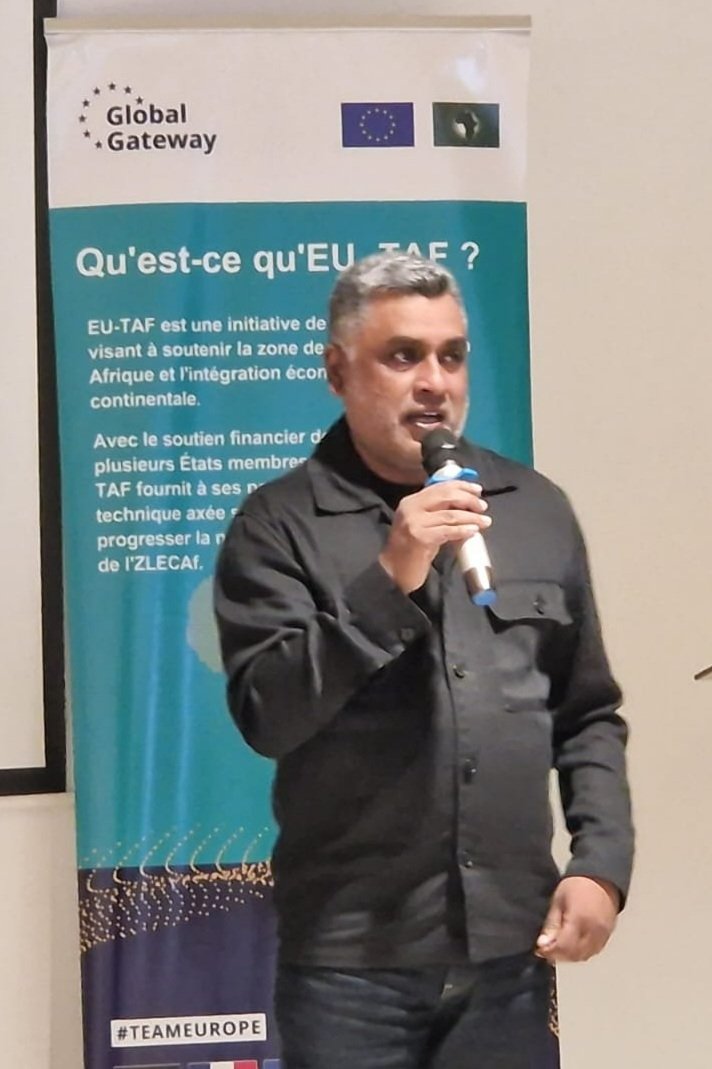
CEO Soobramanien during the advanced RoO training opening session, 24 March 2025
« I wish to thank the World Customs Organization (WCO) for its invaluable support towards CBC activities, particularly in the area of Rules of Origin, through the engagement of your Rules of Origin expert, Mr. Guillaume Gérout. »
Summary
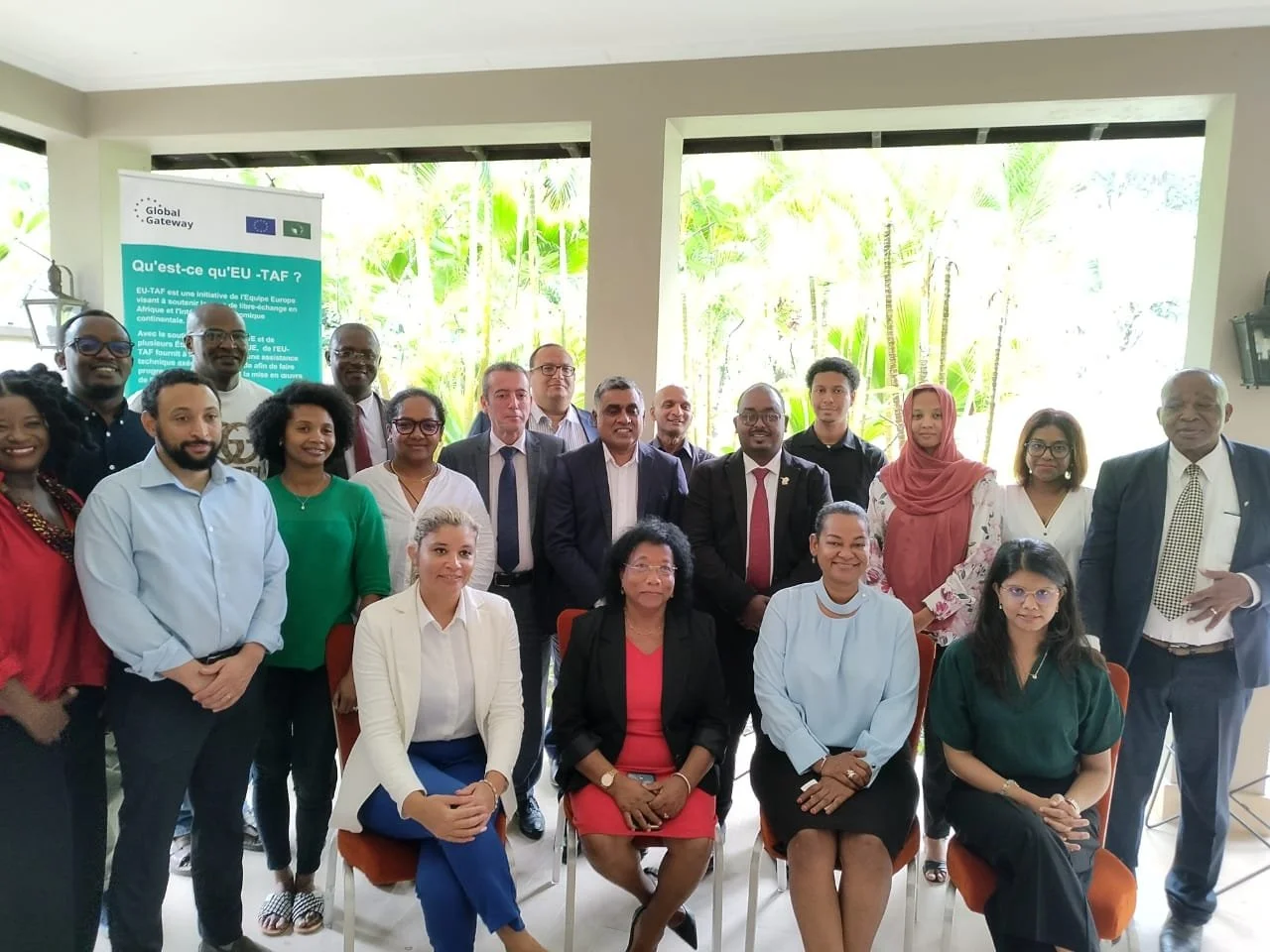
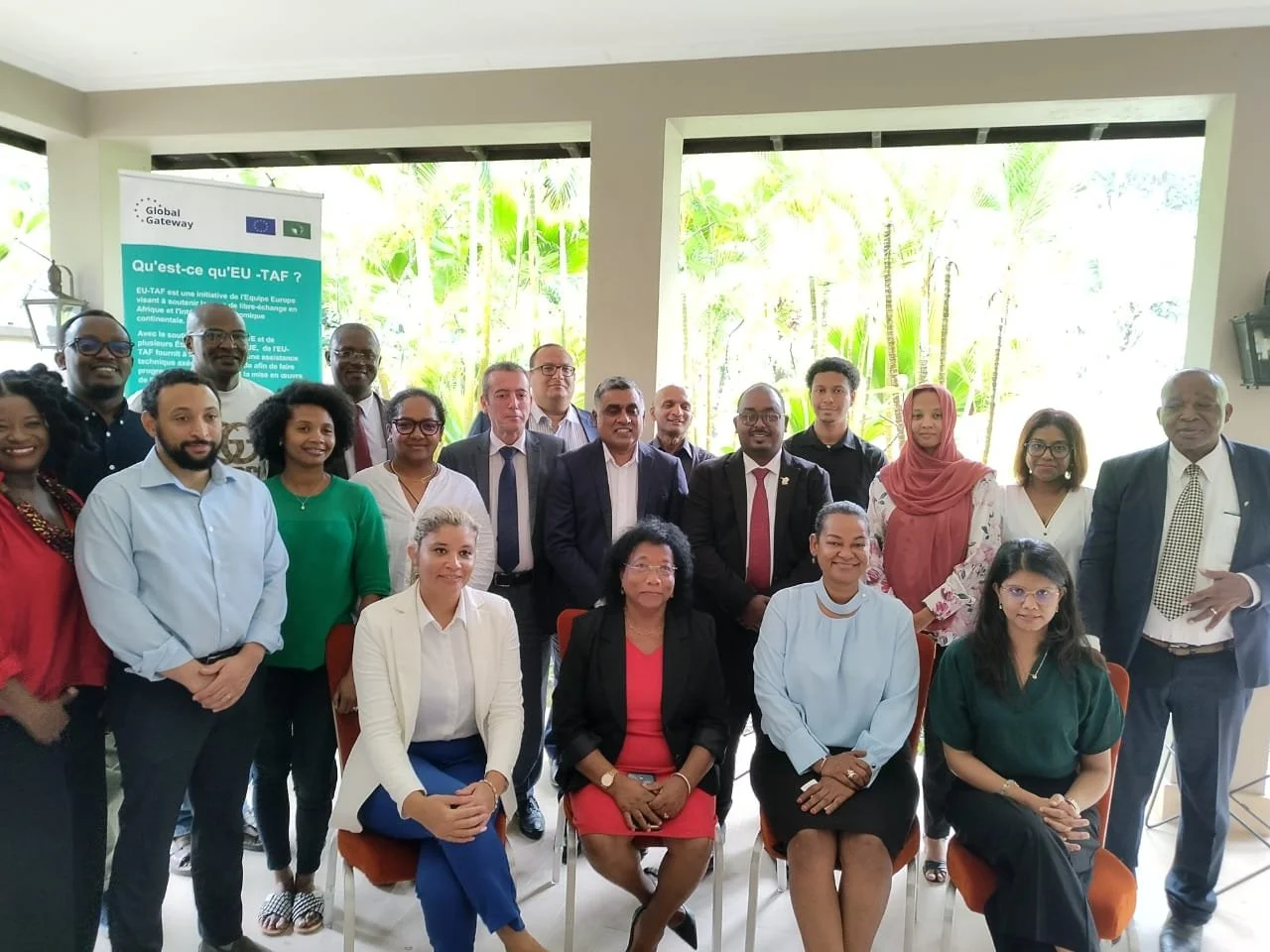
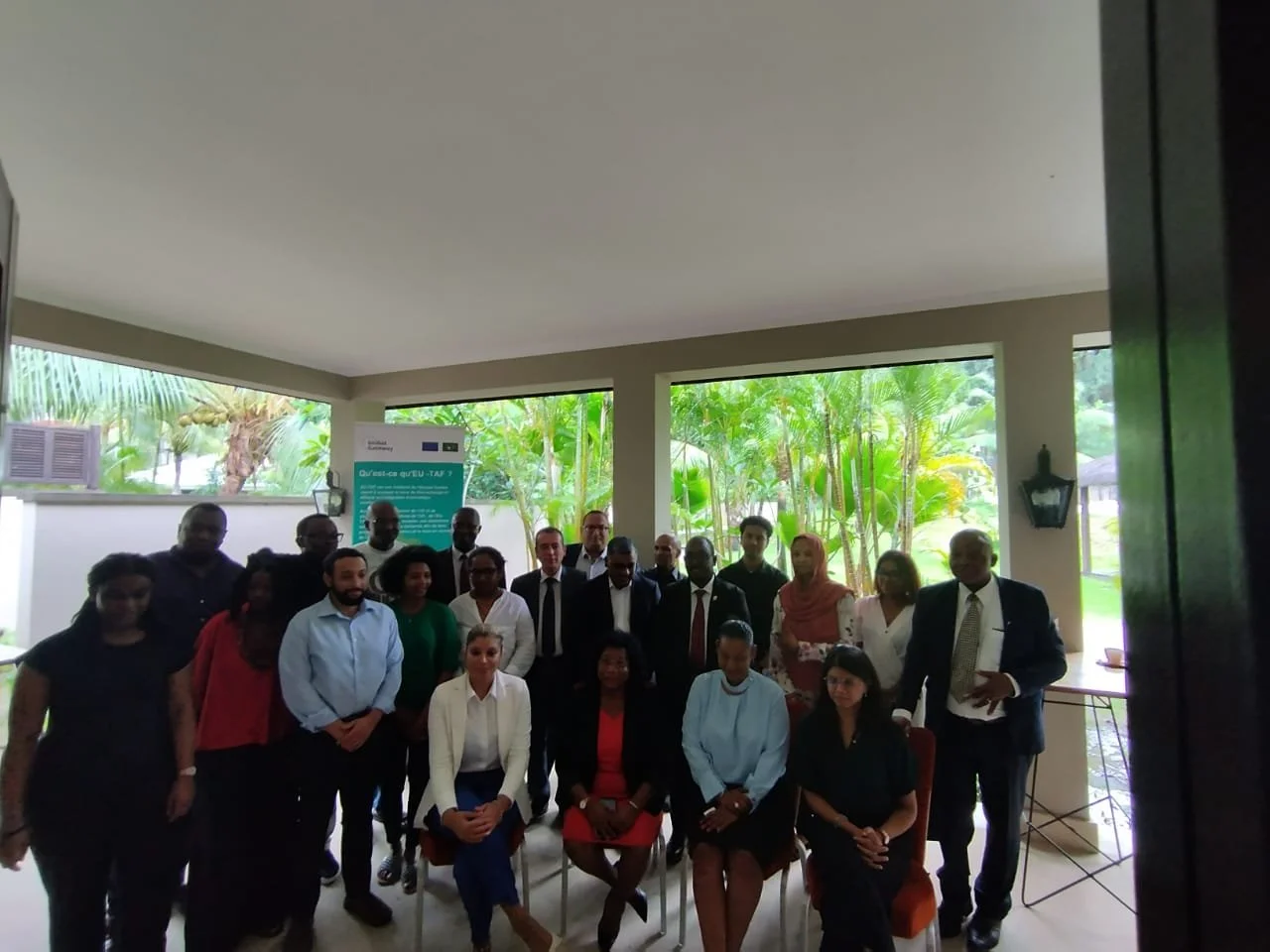
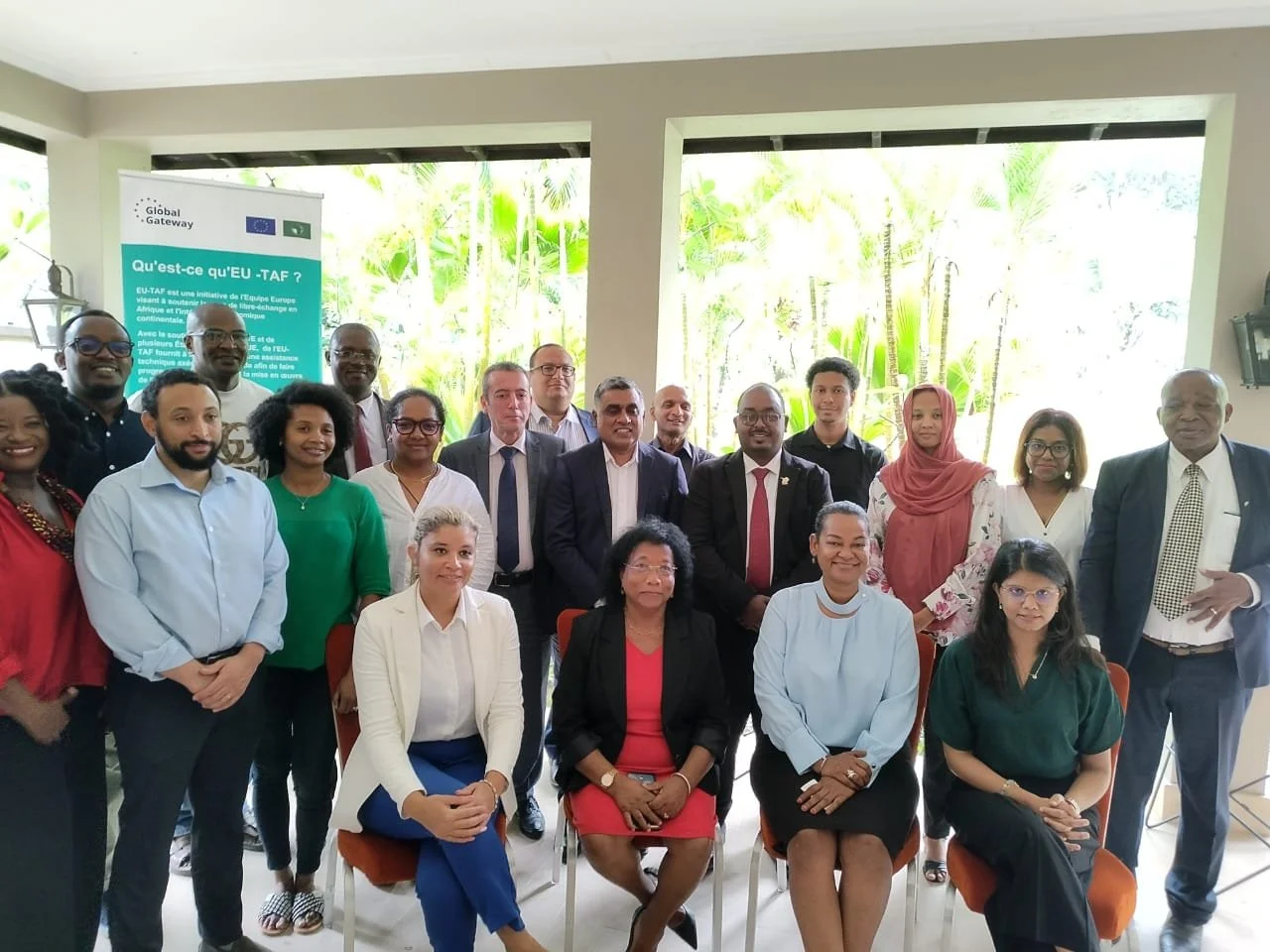
The EU-WCO Rules of Origin Africa Programme, through its partnership with Astove Conseil, and in collaboration with the European Technical Assistance Facility (EU-TAF) Support to the African Continental Free Trade Area (AfCFTA) and the COMESA Business Council (CBC), with the support of the Seychelles Chamber of Commerce and Industry, organised a training workshop on AfCFTA rules of origin in Mahé, Seychelles, from 17-18 December 2024.
This two-day intensive workshop brought together representatives from nine French-speaking COMESA member states—Burundi, Comoros, Djibouti, the Democratic Republic of Congo (DRC), Madagascar, Mauritius, Rwanda, Seychelles, and Tunisia—as part of the Programme's ongoing commitment to building comprehensive rules of origin capacity across Africa.
This workshop represents a continuation of the Programme's systematic approach to capacity building for French-speaking African business communities. Building on previous sensitisation and foundational training sessions, this advanced workshop focused on deepening participants' technical understanding of AfCFTA rules of origin and their practical application in business contexts.
The event was designed to address the specific challenges faced by chambers of commerce in translating complex origin legislation into actionable guidance for their members, particularly small and medium enterprises seeking to leverage AfCFTA opportunities.
Led by Guillaume Gérout Suominen, the workshop employed an interactive methodology combining technical presentations with practical exercises. Participants engaged with real-world scenarios to understand origin acquisition, certification, verification, and other key AfCFTA requirements.
The sessions focused on making rules of origin "actionable beyond customs," recognising that chambers of commerce serve as crucial intermediaries between complex trade legislation and business implementation. Through intensive brainstorming and capacity-building exercises, participants developed strategies for supporting their members' engagement with continental trade opportunities.
The workshop emphasised the unique position of chambers of commerce as trusted information sources for businesses across all sectors and sizes. Unlike government agencies or international organisations, chambers maintain direct relationships with local enterprises and understand market dynamics at the grassroots level.
This positioning makes chambers ideal facilitators for translating AfCFTA opportunities into concrete business strategies. Participants explored how to leverage their credibility and business networks to promote greater utilisation of preferential trade arrangements among their members.
The intensive training enhanced participants' technical knowledge and strengthened networks between French-speaking chambers across the COMESA region. Participants developed practical tools and approaches for supporting their members' engagement with AfCFTA rules of origin requirements.
The collaborative approach demonstrated during the workshop—combining WCO technical expertise, Programme coordination, EU-TAF support, and local chamber knowledge—provides a model for scaling AfCFTA implementation across the continent.
The Programme will continue its focus on developing origin capacity and providing tailored support for implementing AfCFTA throughout 2025. This sustained approach recognises that building the institutional capacity needed to support continental trade integration requires ongoing effort and strategic partnerships.
The success of the Seychelles workshop reinforces the importance of targeting chambers of commerce as key multipliers in the AfCFTA implementation process, creating ripple effects that extend technical knowledge to hundreds of businesses across French-speaking Africa.
Through continued collaboration with partners like CBC, EU-TAF, and national chambers of commerce, the Programme remains committed to supporting Africa's private sector in unlocking the full potential of continental trade integration.
In the media
Gallery