Interview: AfCFTA and Rules of Origin
CBC is the recognised business member organisation, established as a private sector institution of COMESA
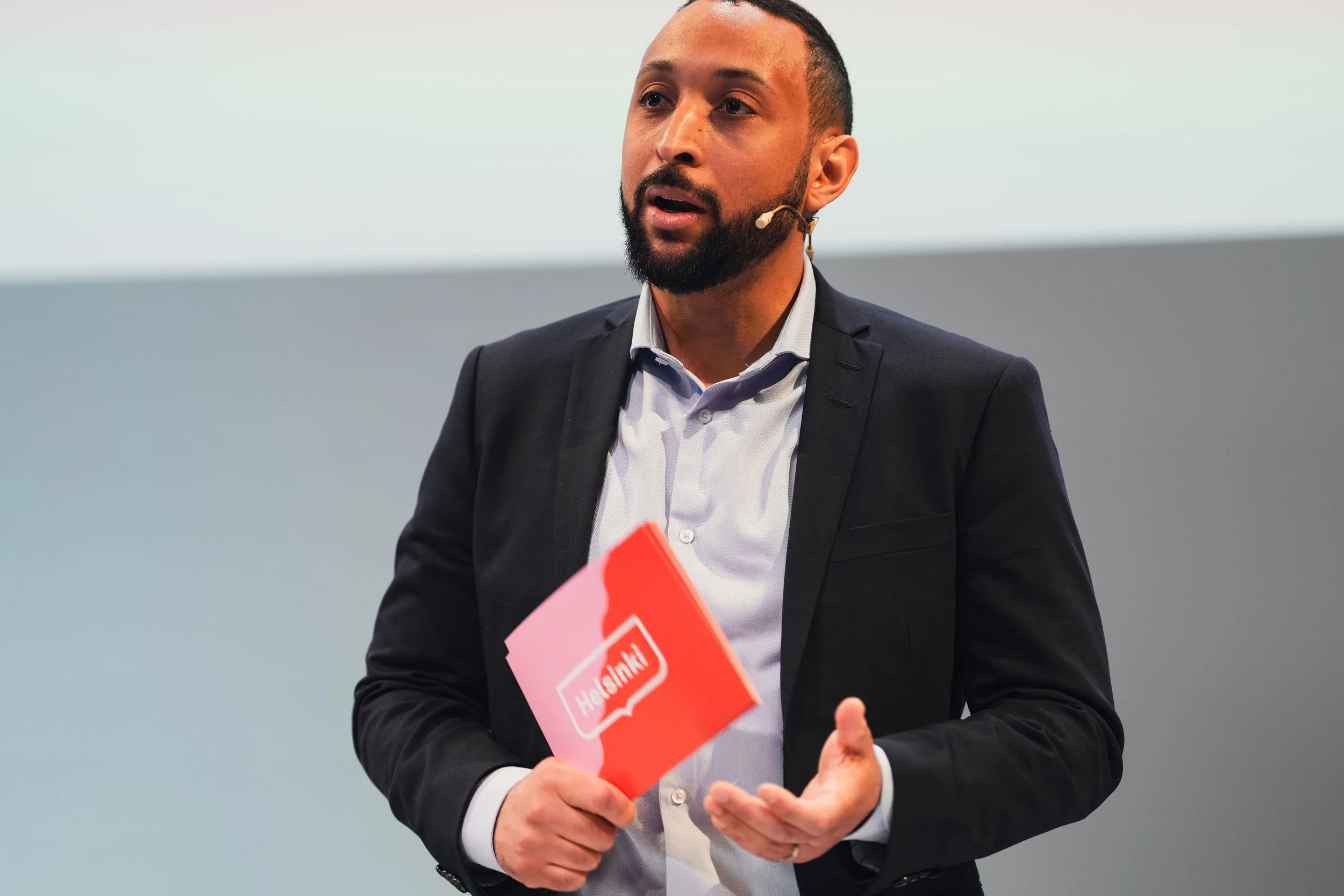
Guillaume Gérout Suominen, Leac Consultant, Astove Conseil, during International House Helsinki event, 9 April 2025
« Access to information and strategic decision-making will determine which businesses thrive under AfCFTA. »
Summary
The African Continental Free Trade Area (AfCFTA) represents a historic opportunity for continental integration, but its transformative potential depends fundamentally on how effectively complex trade legislation translates into actionable business strategies. Recent developments across French-speaking Africa demonstrate how targeted capacity building and strategic partnerships are creating pathways for businesses to navigate rules of origin requirements and unlock continental trade opportunities.
The EU-WCO Rules of Origin Africa Programme's systematic approach to capacity building exemplifies this transformation. Through intensive workshops and collaborative partnerships, the Programme has developed a replicable model for making rules of origin "actionable beyond customs"—recognising that successful AfCFTA implementation requires more than technical knowledge; it demands practical tools that businesses can immediately apply.
Guillaume Gérout Suominen, a Programme's rules of origin expert, emphasises the critical distinction between awareness and implementation. "For manufacturers, this means they must assess whether adjusting their supply chains to comply with AfCFTA's rules is beneficial; in some cases, compliance costs might outweigh the advantages of reduced tariffs." This reality underscores why technical training must be coupled with strategic business guidance.
The collaborative approach demonstrated through these initiatives—combining WCO technical expertise, COMESA Business Council’s coordination, EU-TAF support, and local CBC members’ knowledge—provides a scalable model for continental implementation. Unlike government agencies or international organisations, chambers of commerce maintain direct relationships with local enterprises and understand market dynamics at the grassroots level, making them ideal facilitators for translating complex legislation into concrete business strategies.
AfCFTA's ambitious scope—creating a common market of 1.3 billion people across 54 African Union member states—promises remarkable outcomes: a potential $450 billion income boost for Africa by 2035 and the prospect of lifting 30 million people out of extreme poverty. However, these benefits hinge on businesses' ability to effectively navigate the rules of origin requirements.
The Programme's training initiatives specifically address implementation gaps that have hindered AfCFTA utilisation. Many companies struggle with accessing necessary information or understanding how origin determination affects their specific circumstances. While agricultural products present relatively straightforward cases, industrial goods pose significant challenges due to global supply chain dependencies and complex manufacturing processes.
The textile sector exemplifies these challenges, facing difficulties due to limited local raw materials and insufficient industrial capacity. Through intensive brainstorming and capacity-building exercises, workshops help participants develop strategies for supporting their members' engagement with these realities, moving beyond theoretical knowledge to practical problem-solving.
The partnership's focus on chambers of commerce as key multipliers in the AfCFTA implementation process creates ripple effects that extend technical knowledge to hundreds of businesses across French-speaking Africa. Participants in recent workshops developed practical tools and approaches for supporting their members' engagement with AfCFTA rules of origin requirements, transforming individual training investments into regional capacity building.
The EU-WCO Programme's remarkable reach—training over 1,000 individuals in the previous year, including private sector representatives—demonstrates the scalability of this approach. By targeting trusted intermediaries rather than attempting direct business outreach, the Programme creates sustainable capacity that continues expanding long after formal training concludes.
Read more insights